In this episode, Dr Michelle Garnett joins Dr Michelle Livock and Monique Mitchelson for a rich, grounded conversation about neurodivergence in the teen years, and what it can look like to support neurodivergent young people with care, clarity, and nervous-system informed realism.
This 86-page Episode Companion Article includes:
A clean, readable transcript format for easier re-reading and sharing
Key quotes, key terms, and visual callouts
Reflection questions and journaling space
Linked resources mentioned in the episode
This episode covers:
What neurodivergence means to Michelle.
Michelle’s experience of her neurodivergence and anxiety throughout her life.
Things that Michelle has personally found helpful in managing anxiety.
Bonus: Autism, Theory of Mind, and the Double Empathy Problem
Reasons why the transition to the teen years can be so challenging for neurodivergent teens and their families, including neurological changes and differences, and school and the broader environment.
Identity formation in the teen years for neurodivergent teens.
Making room for your own emotions as a parent.
Signs to look out for that may indicate your young person is struggling.
Tips for parents and caregivers supporting neurodivergent young people.
Michelle’s five key messages for neurodivergent teens.
Good for:
Parents and caregivers navigating the teen years and wanting neuro-affirming guidance
Neurodivergent teens and adults wanting language for what is happening, and why
Clinicians, educators, and support workers who want thoughtful, practical framing for families
💡 Professionals: Add a $3 license upgrade if you want to use this resource in client work, groups, supervision, or trainings
Instant PDF download. U.S. Letter size. Printable.
In this episode, Dr Michelle Garnett joins Dr Michelle Livock and Monique Mitchelson for a rich, grounded conversation about neurodivergence in the teen years, and what it can look like to support neurodivergent young people with care, clarity, and nervous-system informed realism.
This 86-page Episode Companion Article includes:
A clean, readable transcript format for easier re-reading and sharing
Key quotes, key terms, and visual callouts
Reflection questions and journaling space
Linked resources mentioned in the episode
This episode covers:
What neurodivergence means to Michelle.
Michelle’s experience of her neurodivergence and anxiety throughout her life.
Things that Michelle has personally found helpful in managing anxiety.
Bonus: Autism, Theory of Mind, and the Double Empathy Problem
Reasons why the transition to the teen years can be so challenging for neurodivergent teens and their families, including neurological changes and differences, and school and the broader environment.
Identity formation in the teen years for neurodivergent teens.
Making room for your own emotions as a parent.
Signs to look out for that may indicate your young person is struggling.
Tips for parents and caregivers supporting neurodivergent young people.
Michelle’s five key messages for neurodivergent teens.
Good for:
Parents and caregivers navigating the teen years and wanting neuro-affirming guidance
Neurodivergent teens and adults wanting language for what is happening, and why
Clinicians, educators, and support workers who want thoughtful, practical framing for families
💡 Professionals: Add a $3 license upgrade if you want to use this resource in client work, groups, supervision, or trainings
Instant PDF download. U.S. Letter size. Printable.
 Image 1 of 11
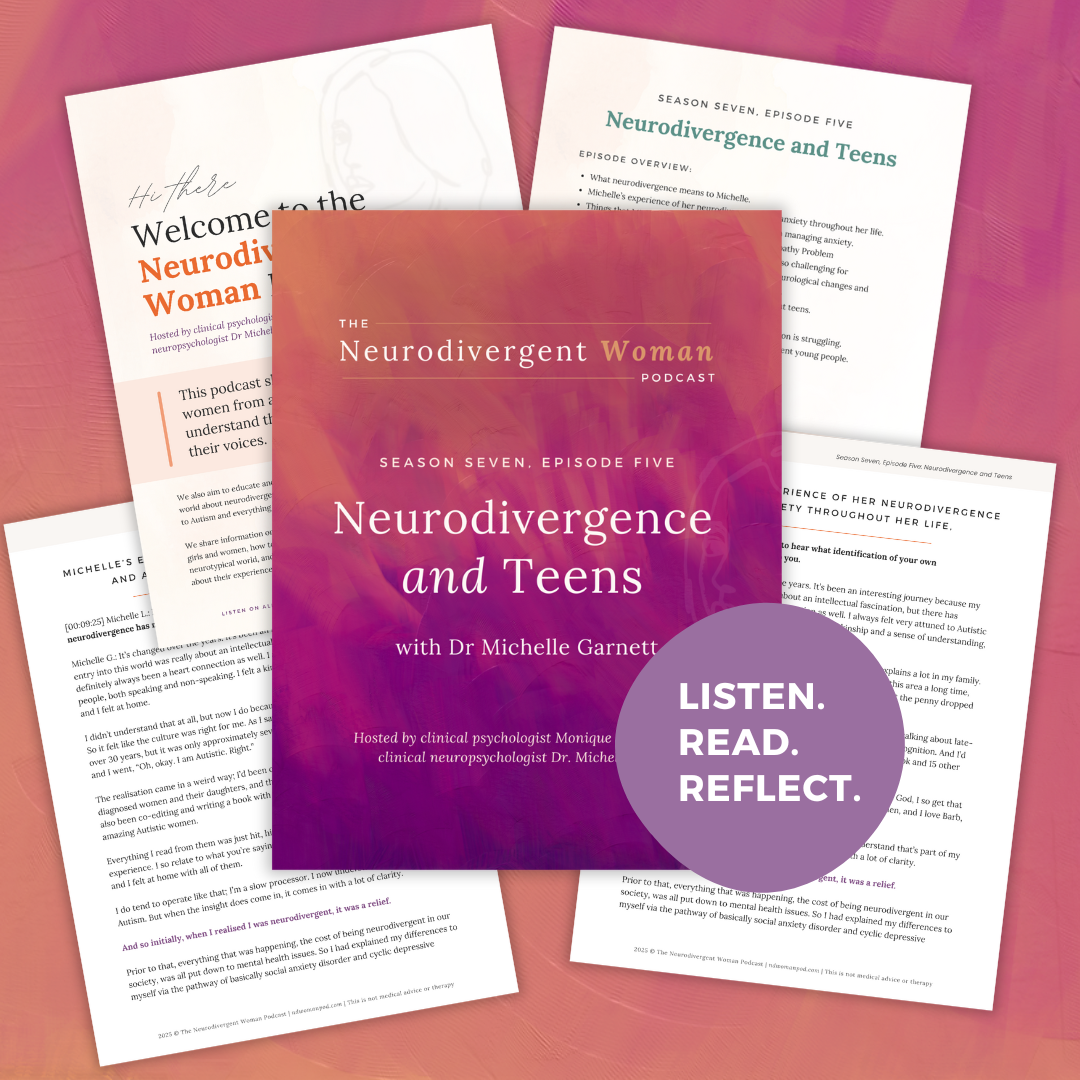 Image 2 of 11
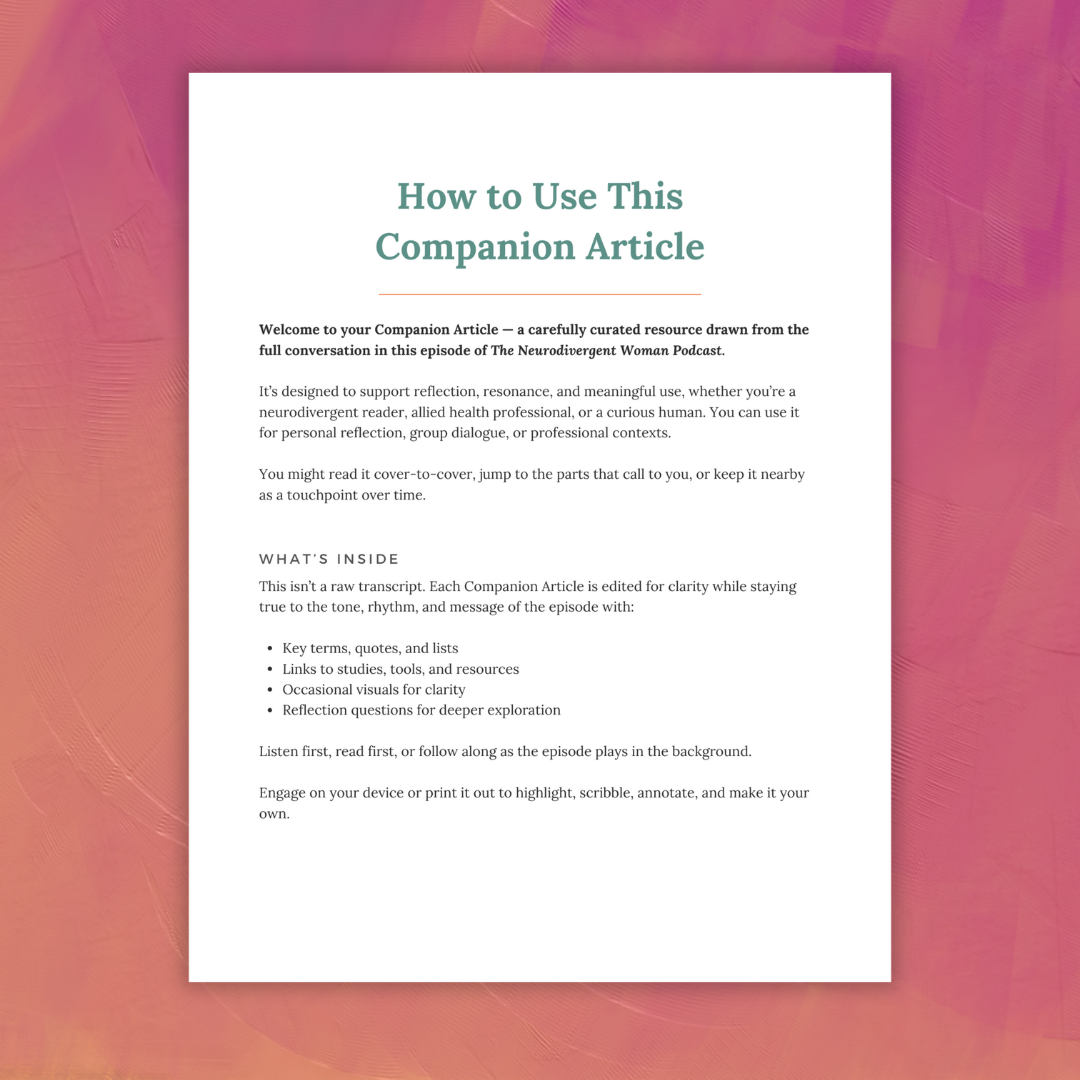 Image 3 of 11
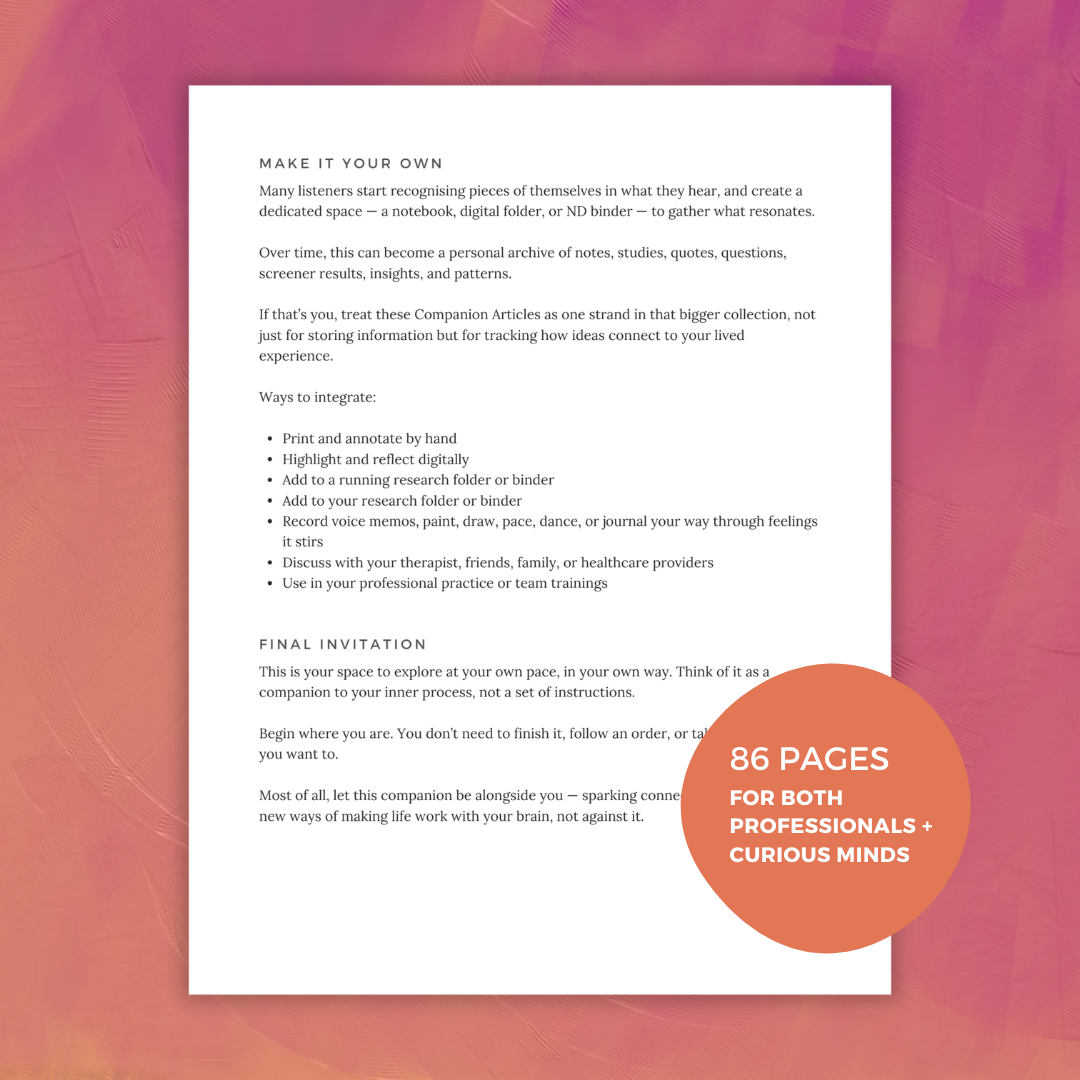 Image 4 of 11
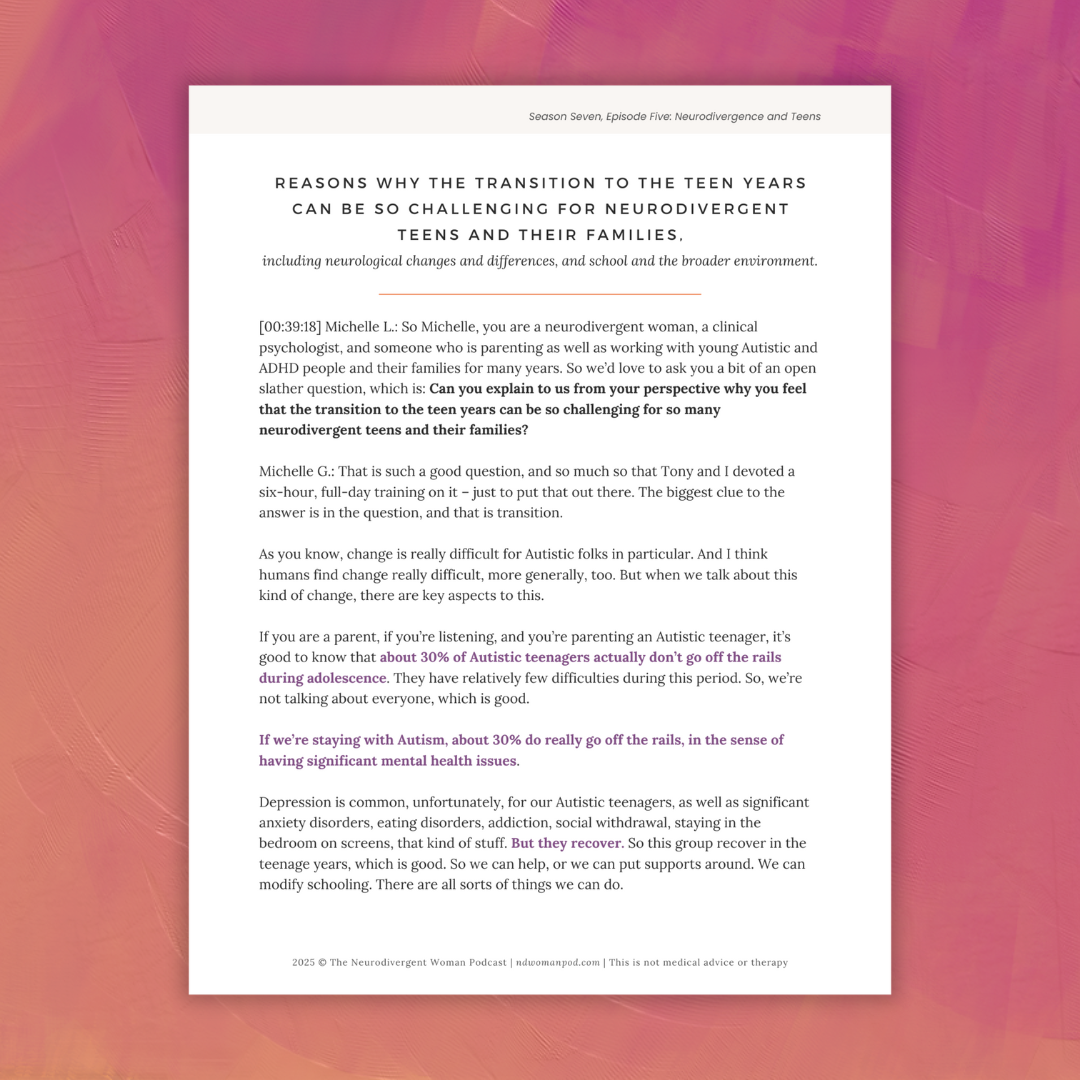 Image 5 of 11
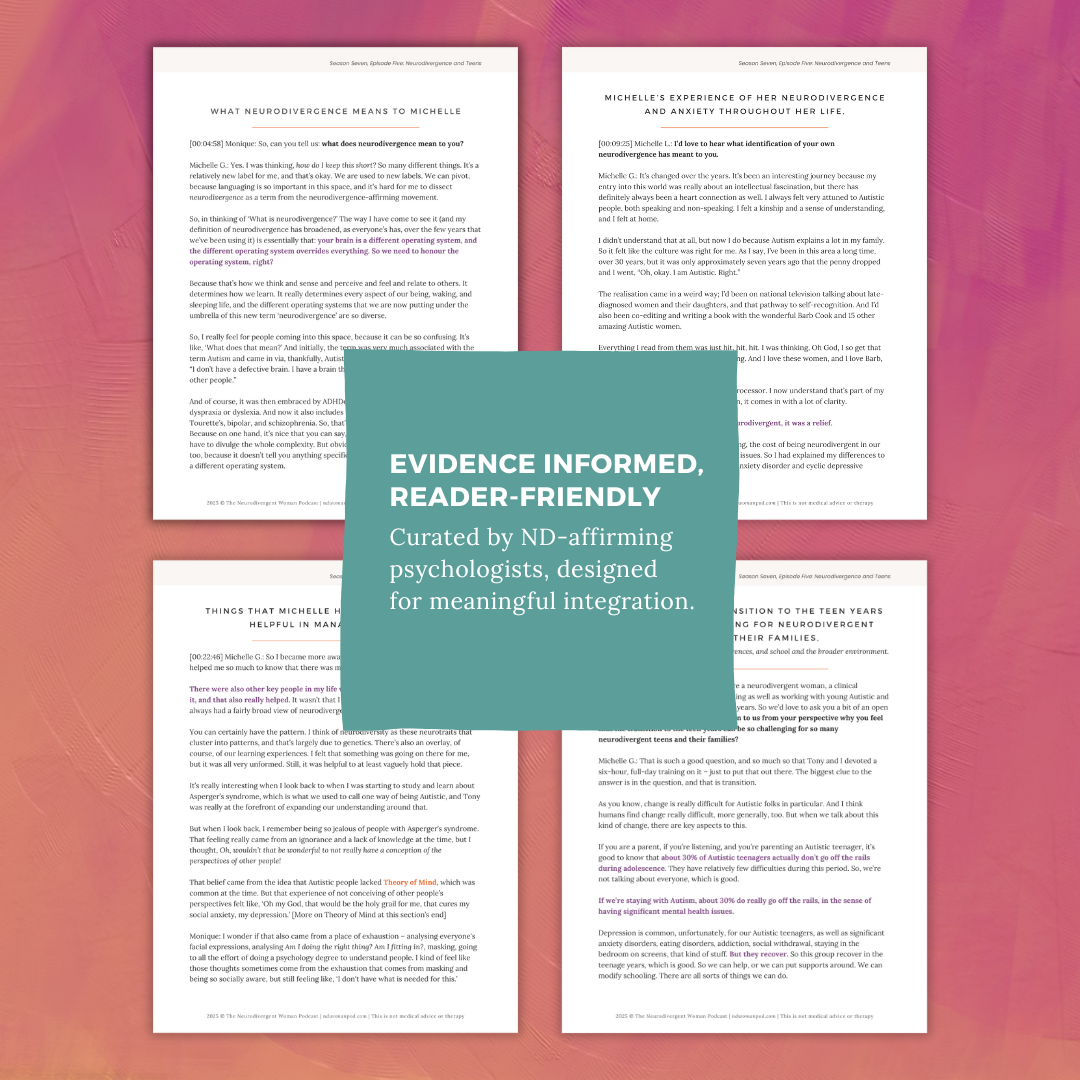 Image 6 of 11
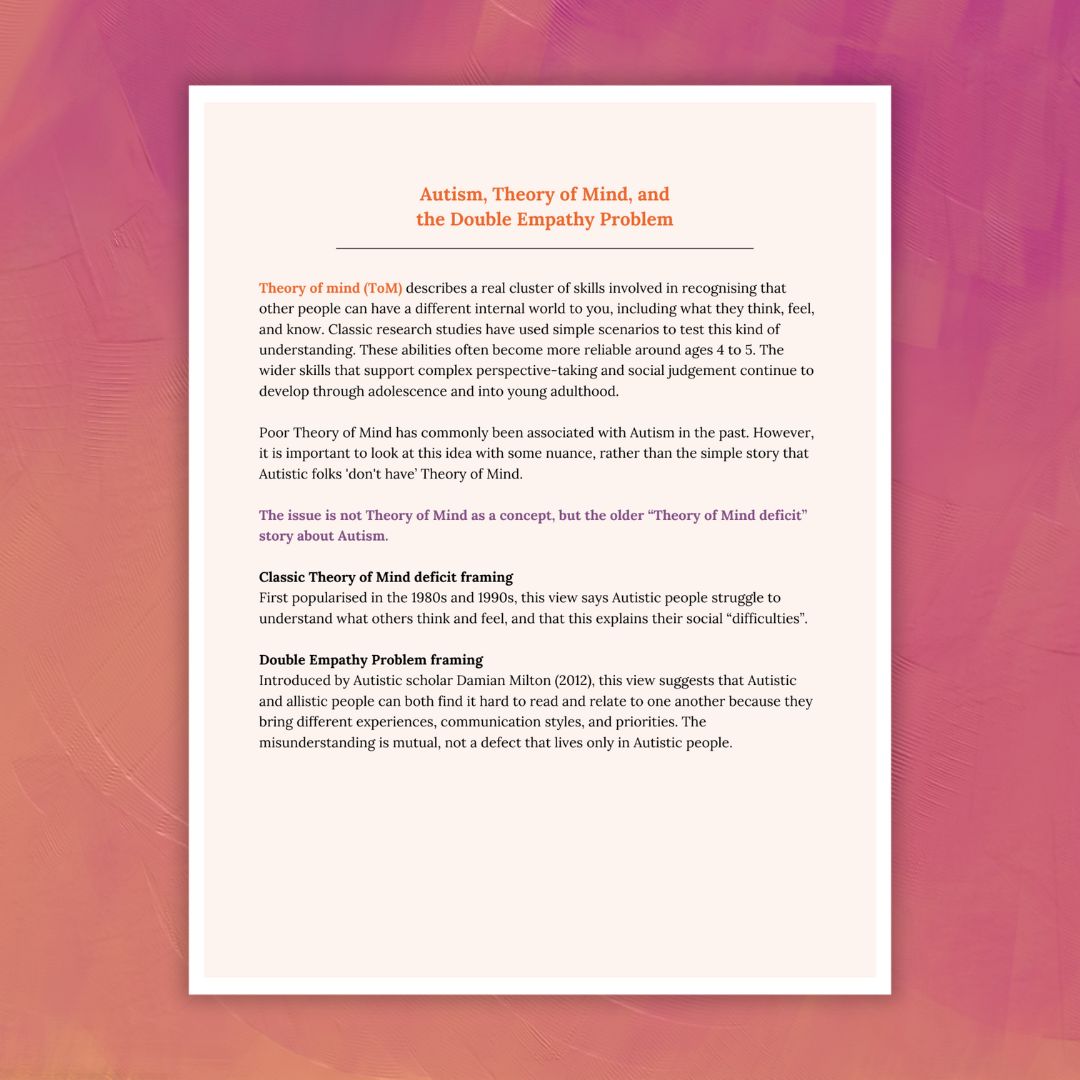 Image 7 of 11
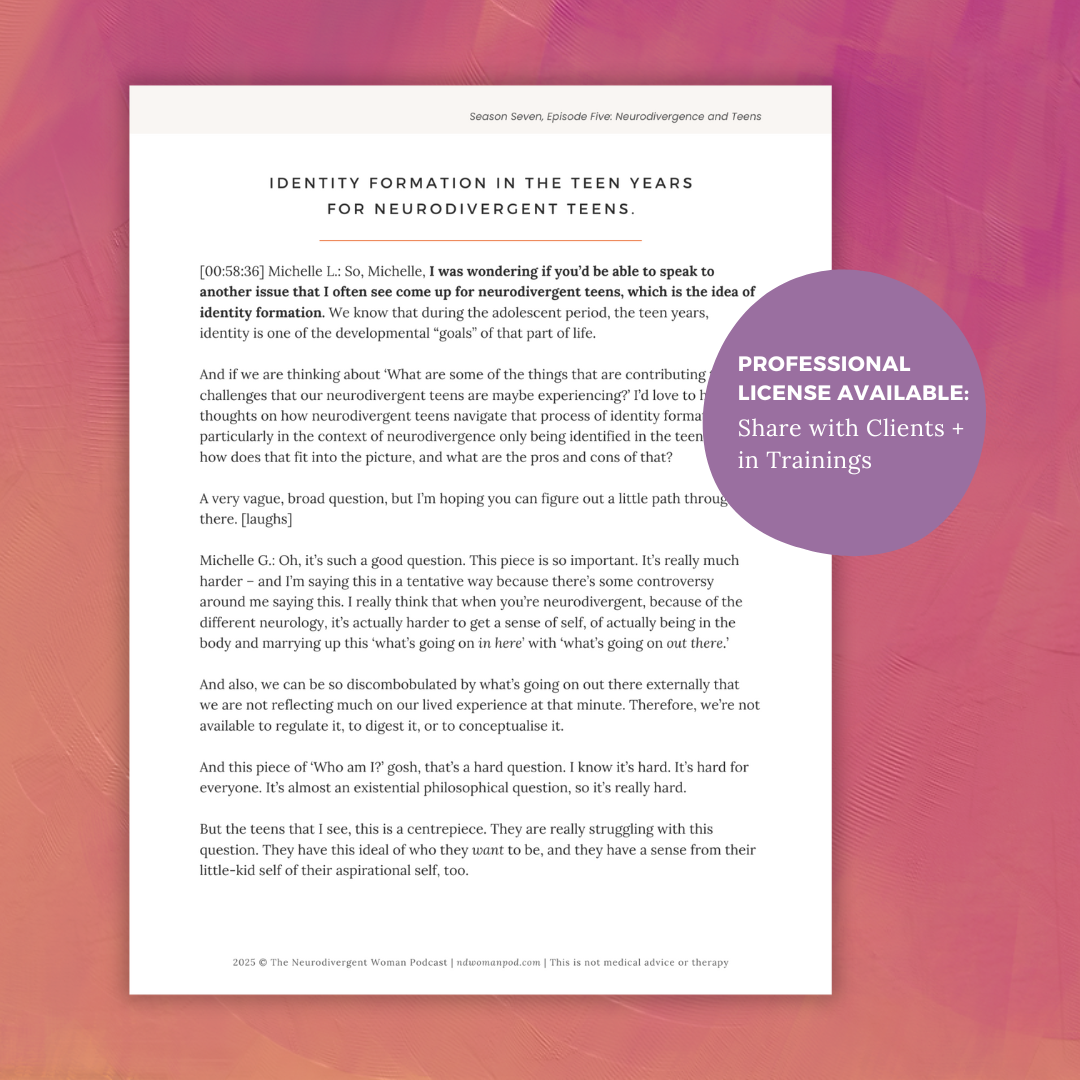 Image 8 of 11
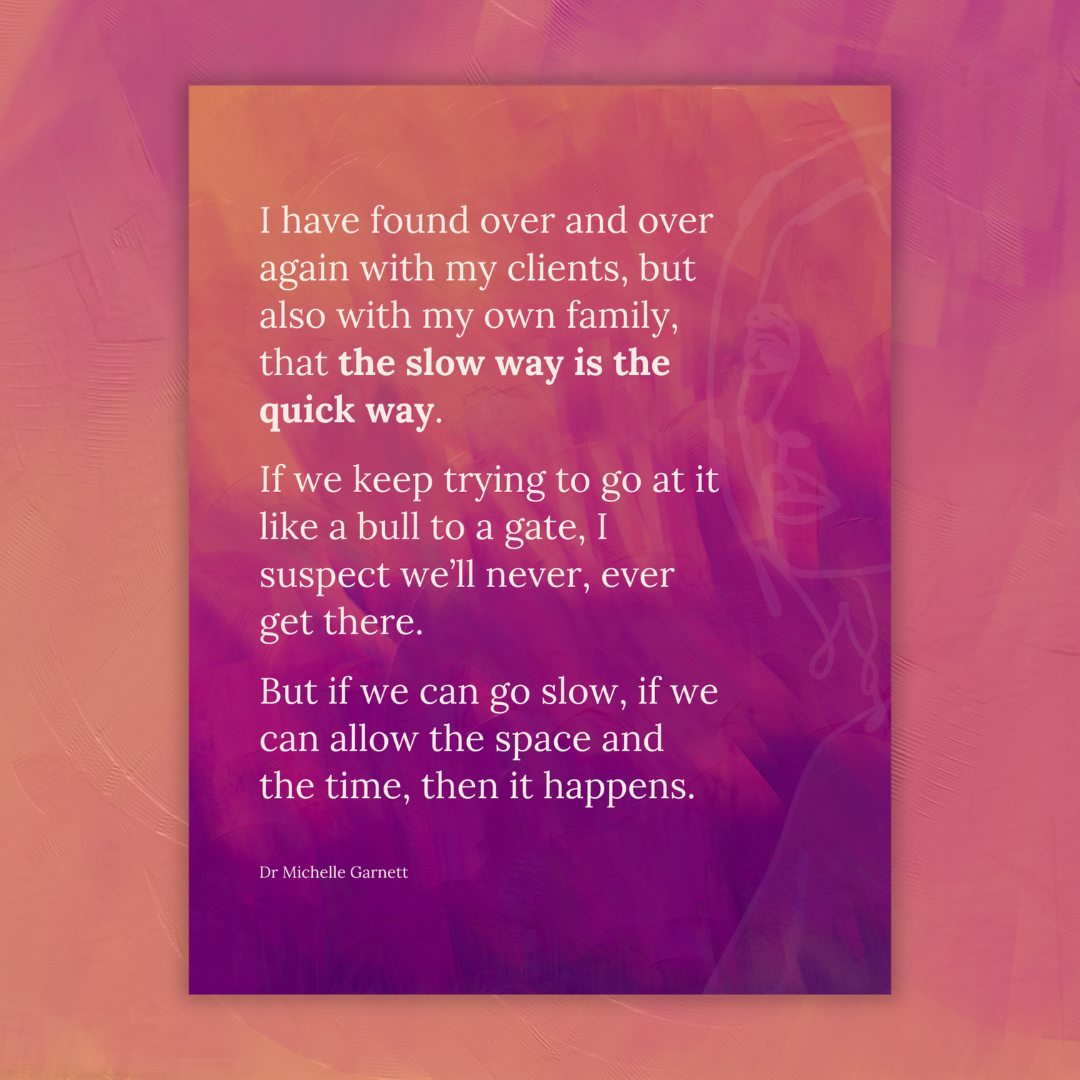 Image 9 of 11
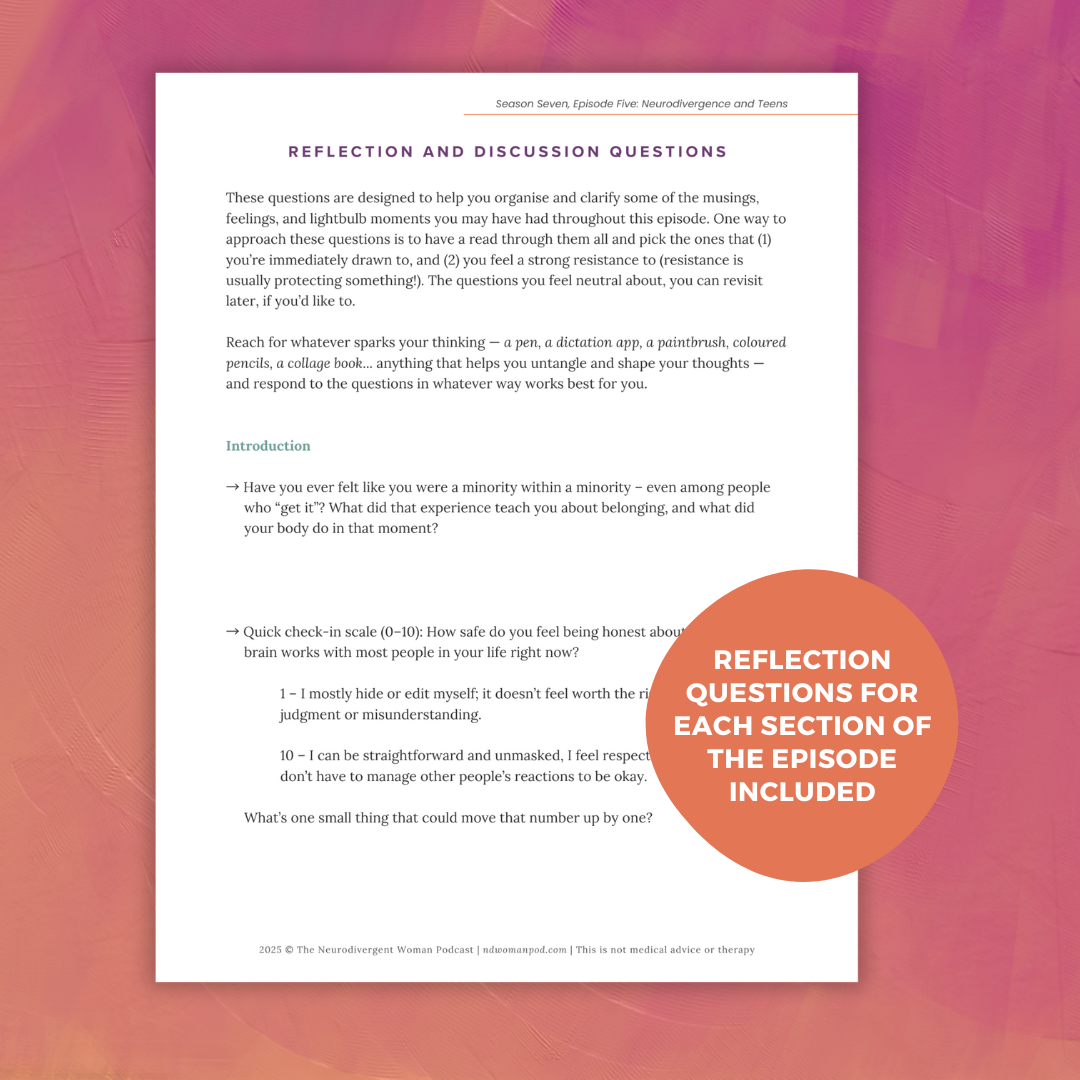 Image 10 of 11
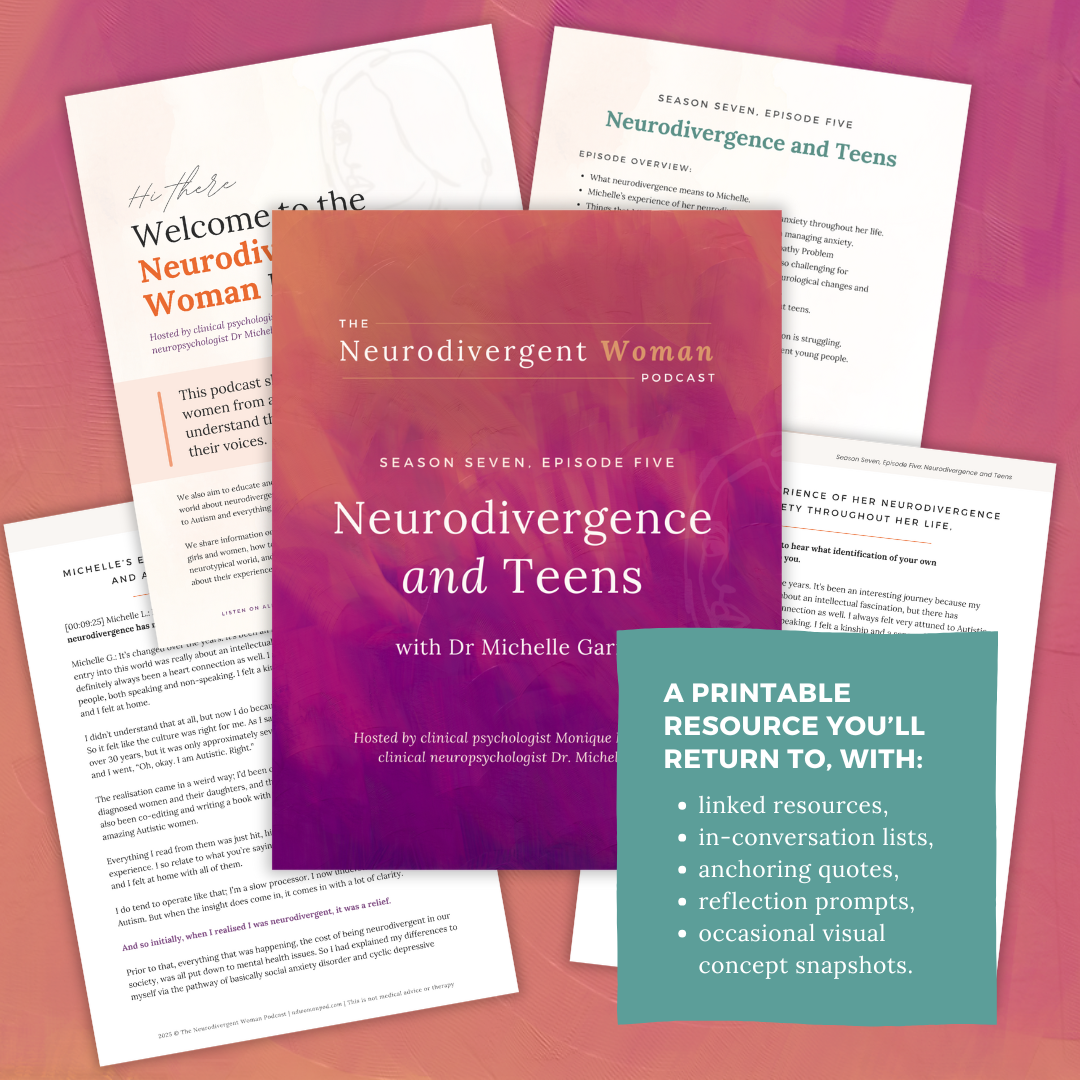 Image 11 of 11